Always get a general home inspection and a termite (wood-destroying insect) letter. Then let the house tell you what else to add: a sewer scope, a septic or well test, a roof or HVAC check, or a survey, depending on the home. Georgia doesn’t require any inspection to buy a home, and Georgia courts follow “buyer beware” rules, so these checks are how you protect yourself during your due diligence period. We’ll recommend inspectors we trust.
That’s the short answer. Here’s how to build the right inspection list for the home you want, without paying for checks you don’t need.
Picture this. Your offer on a home in Evans just got accepted. You’re excited. Then the inspector’s report lands in your inbox. It’s 60 pages long, full of photos and words like “recommend further evaluation.” Is the roof fine or not? Is that crack a big deal? And wait, did anyone check the sewer line?
Here’s the problem. Most buyers think “the inspection” is one thing. It isn’t. A home inspector is a generalist. They look at the whole house, but they don’t test everything. Some of the most expensive problems live in places a standard inspection doesn’t cover, like the pipe under the front yard or the septic tank in the back. And the clock is ticking, because your due diligence period only lasts so many days.
You’re the hero of this story. You don’t need to become a home inspector. You need the right list and a plan to get it done on time. That’s where we come in. The Fairey Team at eXp Realty helps buyers across Evans and Columbia County from our office in Evans. We help buyers schedule inspections and read reports all the time, and we know the local inspectors, pest control companies and specialists who show up on time. Our Team Lead, Ehrin Fairey, still serves in the Air Force Reserve, so we also know how tight a PCS calendar can be.
Watch our short FAQ answer, then keep reading for the full list:
Watch on YouTube: What Home Inspections Should You Get in Georgia? · More quick answers on our FAQ page.
Georgia Doesn’t Require Inspections. That’s Exactly Why You Need Them.
No Georgia law says you have to inspect a home before you buy it. But Georgia courts follow the old rule of “caveat emptor,” or “let the buyer beware.” Buyers are expected to look closely and hire inspectors. Sellers can’t lie or hide known problems, and most fill out a seller’s disclosure. But a disclosure only covers what the seller knows. An inspection shows you what they don’t.
The due diligence period is your window to do this. It’s a set number of days in your contract, often 7 to 14 around here, when you can inspect and walk away for any reason with your earnest money back. Our guide to how Georgia’s due diligence period works covers the deadlines, and our earnest money guide explains what’s at stake if you miss them.
One more Georgia surprise: the state doesn’t license home inspectors. A 2026 bill to create a license, Senate Bill 458, passed the Senate and the House in different versions but never became law. So vet your inspector. Ask whether they follow a published standard, like InterNACHI’s or ASHI’s, whether they carry insurance, and whether you can see a sample report. Or just ask us. We’ll point you to inspectors we trust.
The Two Inspections Every Buyer Should Get
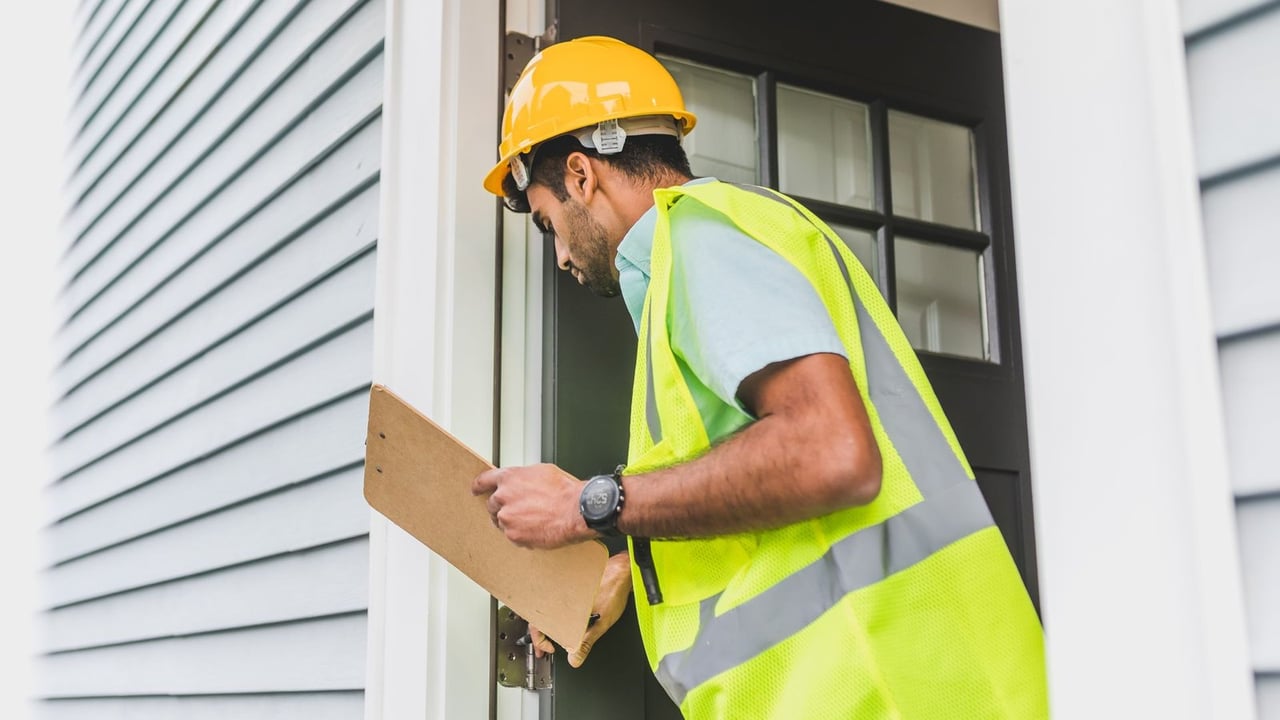
1. A general home inspection. This is the big one. The inspector walks the house top to bottom: roof, attic, foundation and crawl space, electrical, plumbing, heating and air, water heater, windows, doors and built-in appliances. Plan on being there for part of it. You’ll learn where the water shutoff is, and you can ask questions on the spot.
Here’s what it isn’t. Under InterNACHI’s Standards of Practice, a home inspection is a non-invasive, visual look at the parts of the home the inspector can reach. Inspectors aren’t required to check septic systems, wells, swimming pools or underground pipes. They aren’t required to test for radon, mold, pests or lead paint. When they see a red flag, they’ll often tell you to call a specialist. That’s not a cop-out. That’s how it’s designed.
Cost estimate: Angi’s 2026 cost guide puts the national average at $344, with most buyers paying $296 to $425. Bigger and older homes cost more. Ask for a quote up front.
2. A termite letter. In Georgia, the official name is the Official Georgia Wood Infestation Inspection Report. Only a licensed pest control company certified in wood-destroying organisms can issue it. It reports signs of termites, wood-boring beetles and wood-decay fungi. If it says the home is apparently free of an infestation and one turns up within 90 days, the company has to treat it for free.
Termites are common in Georgia. That’s why the termite letter is standard in our deals, and why lenders care. VA requires wood-destroying insect information for the entire state of Georgia before it issues its Notice of Value, with narrow exceptions like high-rise condos. HUD’s Atlanta office classifies Georgia as a “very heavy” termite zone, and when an FHA loan needs a termite report here, it has to be the official Georgia form.
Cost estimate: it’s usually one of the smaller bills. Angi lists a national average of about $125 for a pest inspection. Local prices vary, so get a quote.
The Add-Ons: Let the House Tell You What It Needs
This is where most buyers either overspend or miss something. You don’t need every test on every home. Match the inspection to the house. Here’s our checklist:
- On public sewer and 20+ years old, or big trees in the yard? Get a sewer scope. A plumber or inspector runs a camera through the line from your house to the street. Roots and cracked or sagging pipes don’t show up in a standard inspection. Cost estimate: $125 to $500 on its own, or $100 to $250 as an add-on (HomeGuide, 2026).
- On a septic system? Get a septic inspection. Many rural homes in Harlem and Appling use septic. Ask for the tank to be pumped and inspected so you can see its condition, and ask Columbia County Environmental Health, which permits septic systems, whether it has records for the home. Cost estimate: Angi puts the national average at $550, with most paying $200 to $900. Its Georgia average is about $500.
- On a private well? Test the water and the well. A well check looks at the pump, the tank and the water itself. Cost estimate: about $250 to $550 for a well inspection (Angi, 2026).
- Older roof, or the inspector flagged it? Call a roofer. Check the seller’s disclosure for the roof’s age, then let a roofer tell you how much life is left. Cost estimate: about $230 (Angi, 2026).
- Older heating and air, or it struggled during the inspection? Call an HVAC tech. A full service visit tells you whether you’re buying a system or a replacement. Cost estimate: about $300 (Angi, 2026).
- Fences, pools, sheds or unclear lot lines? Get a survey. A Georgia-licensed land surveyor shows where your property really ends and flags fences or buildings over the line. Ask your closing attorney whether one is needed for your title insurance.
- Built before 1978? Consider a lead-based paint check. Federal law gives buyers of most pre-1978 homes a 10-day window to test for lead-based paint, unless you agree in writing to a different time or waive it. Cost estimate: about $340 (Angi, 2026).
- Foundation cracks, sloping floors or water in the crawl space? Call a structural engineer or foundation specialist. This is exactly the kind of red flag a general inspector will hand off.
- Buying new construction? Inspect anyway. County code inspections aren’t the same as an inspector who works for you. Many buyers inspect before drywall, before closing and before the first-year warranty ends. Our new construction vs. existing homes guide explains why.
All of these cost figures are national estimates from cost guides, not quotes. Prices around Evans can be higher or lower.
What About Radon, Mold and Storm Damage?
Good question, and it’s coming up next in this series. Here’s the quick version. Columbia County sits in the EPA’s lowest radon zone, Zone 3. That means a lower predicted average, not zero. The EPA still says every home should be tested, and a test is inexpensive. Mold testing makes sense when you see moisture or water stains, especially in a basement or crawl space. And always ask the seller about past storm damage and insurance claims. Our in-depth guide to testing for termites, mold, radon, septic and storm damage is coming later this month. Until then, ask us about any of them.
Fit It All Inside Your Due Diligence Window
The right inspections don’t help if the report shows up after your deadline. Here’s how a typical 10-day window can work:
- Day 0 to 1: Book the general inspection, the termite letter and any add-ons the house needs, like a sewer scope or septic inspection. Ideally, line up your inspector before you even make the offer.
- Day 2 to 4: The general inspection happens. Read the summary first. Call in roofers, HVAC techs or other specialists for anything flagged.
- Day 5 to 8: Get repair quotes. Decide what really matters. Ask for repairs, a price cut or help with closing costs.
- Before the deadline: Sign the agreement with the seller, or send written notice to walk away. Never wait until the last day.
Good news: your right to get into the home for inspections usually lasts through closing. What ends with due diligence is your right to walk away for any reason. Our 8-step guide to buying a home in Evans and Columbia County shows where inspections fit in the bigger picture.
How to Read the Report Without Panicking
Every report finds something. Even new homes. So sort the list into three buckets:
- Safety issues. Wiring problems, gas leaks, missing handrails. These come first.
- Big-ticket items. Roof, foundation, heating and air, sewer or septic, active termites or water getting in. These are what you negotiate.
- Maintenance. Caulk, loose outlets, a dripping faucet. That’s homeownership. Don’t let it crowd out the big stuff.
Sellers see the same buckets. That’s why smart sellers fix what an inspector would flag before they list. Our guide on what to fix, update or stage before selling shows what they look for, which also tells you what to look for as a buyer.
And budget for it. Inspections are usually paid when the work is done, not at the closing table. Our guide to down payment and closing costs shows the rest of the cash you’ll need.
Buying on PCS Orders?
Buying before you arrive at Fort Gordon? You can still do this right. Book inspections the day your offer is accepted, ask the inspector to call you with the results, and have us walk the home on video. If you’re using a VA loan, remember that the VA appraisal is not a home inspection. It checks value and VA’s minimum property requirements, not every system in the house. And in Georgia, your lender will need the termite information for VA. Our military relocation page has more help for your move.
Your Simple 3-Step Plan
- Tell us about the home. Its age, sewer or septic, well or county water, roof age, and anything that worries you. We’ll build your inspection list before you write the offer.
- Book on day one. We’ll connect you with inspectors and specialists we trust, and we’ll put every deadline in writing.
- Read the report together and negotiate. We’ll help you sort what matters, get quotes and ask for the right repairs or credits before your due diligence period ends.
What Success Looks Like
Picture it. Your inspections are done by day four. You know the roof has years left, the sewer line is clear and the termite letter is clean. You asked for the two repairs that mattered, and the seller said yes. When your due diligence period ends, you’re not nervous. You’re sure. You know exactly what you’re buying, and you’re on your way to the closing table.
Skip the right inspections, and you could be the family paying for a sewer line or a new roof in year one. Get them, and you buy with your eyes open.
That’s what we do. The Fairey Team helps buyers across Evans, Martinez, Grovetown, Harlem, Appling and all of Columbia County. Explore our neighborhood guides to find where you want to live. Have a home to sell first? Start with a free home valuation, and read how to handle buying and selling at the same time. Ready to talk? Call (706) 480-5203, email [email protected], or stop by 2580 Evans Trade Center, Evans, GA 30809.
Want more? Read about buying near Clarks Hill Lake, where wells, septic and surveys come up often, and prequalified vs. preapproved if you’re just getting started.
— Caleb Fairey, Realtor, the Fairey Team (GA license 451103)
FAQ: Home Inspections in Evans and Columbia County, GA
Is a home inspection required in Georgia?
No. Georgia law doesn’t require a home inspection to buy a home, and Georgia follows “buyer beware” rules. It’s still strongly recommended. Your due diligence period is the time to inspect and walk away for any reason if you don’t like what you find.
Do home inspectors need a license in Georgia?
No. Georgia doesn’t license home inspectors. A 2026 bill, Senate Bill 458, would have created a license starting in 2028, but it didn’t become law. Ask any inspector about insurance, the standards they follow and a sample report.
What is a termite letter in Georgia?
It’s the Official Georgia Wood Infestation Inspection Report. Only a licensed pest control company certified in wood-destroying organisms can issue it. If it finds the home apparently free of an infestation and one is found within 90 days, the company must treat it for free.
Does a VA loan require a termite inspection in Georgia?
Yes, in almost every case. VA requires wood-destroying insect information for the entire state of Georgia before it issues the Notice of Value. High-rise condo units are one exception. Your lender will tell you when it’s due.
How much does a home inspection cost?
Angi’s 2026 cost guide puts the national average at $344, with most buyers paying $296 to $425. Add-ons like a sewer scope or septic inspection cost extra. Prices around Evans vary, so get quotes.
Does a home inspection check the septic tank, sewer line or radon?
Usually not. Standard inspections are visual and don’t cover septic systems, wells, underground pipes or radon testing. Those are separate add-ons. Order them when the home calls for them.
Do I need a sewer scope?
Consider one if the home is on public sewer and is 20 years old or more, or has big trees near the line. A camera shows roots, cracks and sags that a standard inspection can’t see.
Should I inspect a new construction home?
Yes. County inspections check code, but an independent inspector works for you. Many buyers inspect before drywall, before closing and again before the first-year warranty ends.
Know what you’re buying. Then buy it with confidence.
Notes: Georgia’s “caveat emptor” rule and seller disclosure practice are summarized from Nolo. Senate Bill 458’s status is from the Georgia General Assembly and LegiScan. What a standard inspection covers is from InterNACHI’s Standards of Practice. Termite letter rules are from the Georgia Department of Agriculture (Rule 620-6-.03); VA’s requirement is from VA Home Loans; FHA termite-zone guidance is from HUD’s Atlanta Homeownership Center, as published by the Georgia Department of Agriculture. Radon zone is from the EPA Map of Radon Zones. The lead-based paint window is from the EPA. Septic systems are permitted by county Environmental Health offices under Georgia DPH rules; Columbia County Environmental Health is at 1930 William Few Pkwy, Grovetown, (706) 868-3330. Cost estimates are national figures from Angi’s home inspection (updated September 25, 2026) and septic inspection (updated October 7, 2026) guides and HomeGuide; they are not quotes. All sources were checked November 10, 2026. This is general information, not legal advice. Hero photo: RDNE Stock project, Pexels, cropped; a stock photo, not a Fairey Team client or listing. Information deemed reliable but not guaranteed. Equal Housing Opportunity.