It depends on what matters most to you, and both are great options here. New construction gives you builder warranties, modern layouts and lower repair costs in the early years. Existing homes often give you bigger lots, mature trees, a faster move-in and more room to negotiate. In Evans and Columbia County, we help buyers with both every week.
That’s the short answer. Here’s how to choose the right one for you.
Picture this. It’s Saturday. At 10 a.m. you walk through a model home in a brand-new neighborhood. Fresh paint. An open kitchen. A shiny warranty binder on the counter. At 2 p.m. you tour a 20-year-old brick home across town. Big backyard. Tall oaks. A fence already up. You drive home, and you can’t decide. Both felt right. Both felt a little wrong. (This is an illustration, not a real client.)
Here’s the problem. Most buyers compare the two homes on looks. But the real differences don’t show up on a tour. They show up later, in repair bills, tax bills, move-in dates and lot sizes. Pick on looks alone, and you can end up paying for a house that doesn’t fit the life you actually live.
You’re the hero of this story. You don’t need to become a builder or a home inspector. You just need a clear way to compare. That’s where we come in. The Fairey Team at eXp Realty helps buyers across Evans and Columbia County from our office in Evans, with new construction and resale homes every week. Our Team Lead, Ehrin Fairey, still serves in the Air Force Reserve, so we also know what a move on a tight timeline feels like.
Watch our short FAQ answer, then keep reading for the details:
Watch on YouTube: New Construction vs Existing Home: Which Should You Buy? · More quick answers on our FAQ page.
New vs. Existing: The Five Trade-Offs That Matter
Forget “new is better” or “old is better.” Neither is true. Instead, ask which of these five things matters most to you:
- Repairs. New homes usually need fewer repairs in the early years and come with a builder warranty. Existing homes have systems with some age on them.
- Time. A finished resale home can often close on a predictable schedule. A home still being built depends on construction, inspections and a certificate of occupancy.
- Land. Existing neighborhoods often have bigger lots and mature trees. Many newer communities use smaller lots.
- Negotiation. With a resale home, you negotiate with an owner. With a builder, you’re usually negotiating incentives, upgrades and closing costs more than the price.
- Choice. With new construction, depending on where the home is in the build, you may get a say in finishes. With an existing home, what you see is what you get, plus whatever you change later.
Rank those five. Your top two usually point to the answer.
What New Construction Gets You
A builder warranty. The Federal Trade Commission’s consumer guide on warranties for newly built homes describes a common pattern. Workmanship and materials are usually covered for the first year. Heating and air, plumbing and electrical systems are generally covered for two years. Some builders cover “major structural defects” for up to 10 years. But every warranty is different. The FTC notes many don’t cover household appliances, small cracks in brick, tile, cement or drywall, or items covered by a manufacturer’s warranty. Read yours before you sign, and put repair requests in writing.
Modern layouts and fewer early repairs. New systems, a new roof and today’s floor plans. For many buyers, that peace of mind is the whole point.
A say in the finishes. If you buy early in the build, you may get to pick flooring, counters and more. Ask what’s included and what counts as an upgrade, because upgrades add up fast.
Incentives. Builders often offer incentives, such as help with closing costs or a rate buydown. Some include extras like blinds, a fence or a refrigerator. Incentives change often, and they’re worth negotiating. One catch: builders often tie the best incentives to their own lender. The Consumer Financial Protection Bureau (CFPB) says homebuilders often have an associated lender, and you don’t have to use that lender. You have the right to shop around. So compare the builder’s Loan Estimate side by side with one or two others before you decide the incentive is worth it.
What an Existing Home Gets You
More yard and bigger trees. Nationally, new homes are being built on smaller lots. The National Association of Home Builders, using Census Bureau data, reports the median lot for a new single-family detached home sold in 2025 was 8,543 square feet, under one-fifth of an acre. About 64% of new homes sat on lots that size or smaller, compared with 46% in 1999. Older neighborhoods often have more room and decades-old shade trees. Lots vary a lot from street to street, so compare the plat, not just the photos.
A faster, more certain move-in. The home is already built. You can see the exact lot, the street and the neighbors before you commit.
More room to negotiate. With a resale home, price, repairs and closing costs are all on the table. In Georgia, your due diligence period gives you time to inspect and decide.
Features that are already done. Fences, landscaping, window coverings and finished upgrades are often in place. With a new build, you may pay for those after closing.
The trade-off: age. Ask how old the roof, heating and air system and water heater are, and budget for what will need replacing in the next few years.
What the Numbers Say About Columbia County
Most homes in Columbia County are existing homes, but a lot of them aren’t very old. According to the Census Bureau’s American Community Survey (2020–2024 five-year estimates), the median home in the county was built in 1999. About 27% of homes were built in 2010 or later, and a little more than half were built before 2000.
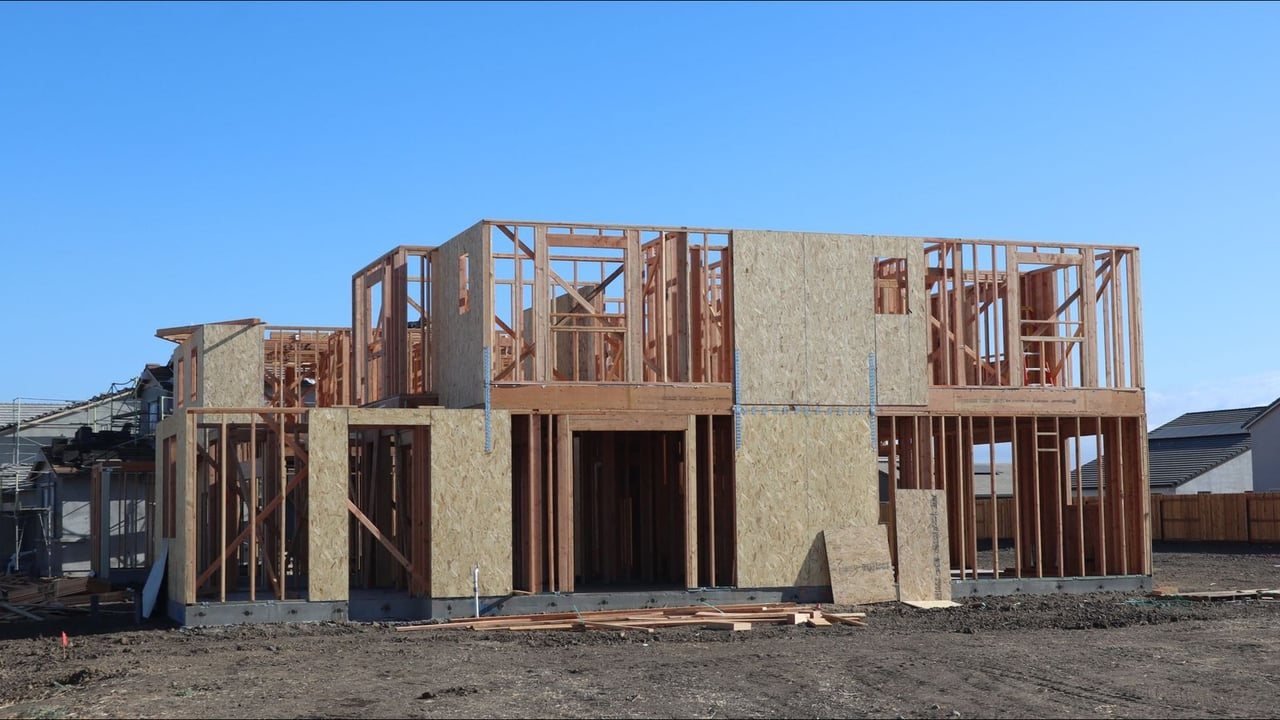
So you have real choices on both sides. Most brand-new construction is in Grovetown, west Evans and the Appling and Harlem areas. Our guide to newer homes and amenity neighborhoods walks through where it is and what each community includes.
What about price? Nationally, the median new home sold in September 2026 went for $400,400, according to the Census Bureau and HUD (released October 27, 2026). The median existing home sold that month went for $417,500, according to the National Association of REALTORS (released October 13, 2026). Those are national numbers, measured differently, and they don’t tell you what a home costs on your street. For that, we’ll pull recent sales for the exact neighborhoods you’re considering.
The Costs Nobody Mentions on the Tour
On a new home:
- The second-year tax bill. Columbia County values property based on its condition as of January 1 each year. If your new home was still a lot or unfinished on January 1, your first bill may be much smaller than your second. Ask your lender to plan your escrow for the finished value. Our guide to Columbia County property taxes explains how bills are figured.
- The homestead exemption. To qualify for a year, you must own and live in the home on January 1, and the Tax Commissioner must receive your application by April 1. Close in February, and you’ll likely wait until the next year. Here’s how to apply for the homestead exemption.
- Finishing touches. Blinds, a fence, landscaping and a refrigerator may not be included. Ask.
- HOA dues and rules. Many newer communities have amenities, and amenities come with dues and rules. Get both in writing.
- The builder deposit. The CFPB says a builder may ask for an upfront deposit on a home that isn’t built yet. Before you commit, ask under what conditions you get it back.
On an existing home:
- Repairs and replacements. Roof, heating and air, water heater and appliances all have a lifespan. Know their ages before your due diligence period ends.
- Updates you’ll want. Paint, flooring and lighting are easy to underestimate. Get quotes during due diligence if a project matters to you.
- Insurance and flood history. The CFPB suggests getting an informal insurance estimate and asking whether the home has ever flooded or been damaged.
Not sure what your budget really allows? Start with how much house you can afford and our breakdown of down payment and closing costs.
Inspect It Either Way. Yes, Even If It’s New.
New doesn’t mean perfect. The county’s inspections check that the home meets code before the county issues a certificate of occupancy. That’s not the same as an inspector who works for you. The CFPB recommends an independent home inspector who is accountable to you, and warns against buying a home without a thorough inspection.
For a new build, many buyers schedule an inspection before the drywall goes up, another before closing, and a third shortly before the first-year warranty ends. That last one helps you catch issues while they’re still covered. Ask the builder in writing whether your inspector can visit during construction.
For an existing home, schedule the inspection early in your due diligence period, so you have time to get repair quotes and negotiate.
Moving on PCS Orders? Timing Matters Most
If you have a report date at Fort Gordon, the calendar may make the decision for you. A home still under construction has to clear inspections and get its certificate of occupancy before you can move in. A finished resale home, or a builder’s completed “spec” home, usually carries less timing risk.
New construction can still work for military families. Grovetown is the closest part of the county to Fort Gordon, and it has a lot of new construction. Just build in a cushion and check your drive time. See our Fort Gordon commute guide, our PCS timeline checklist and our military relocation page.
Questions to Ask Before You Choose
Ask a builder:
- What’s included in the base price, and what’s an upgrade?
- Can I see the warranty in writing? Who handles claims?
- What incentives are available, and are any tied to your lender?
- Under what conditions is my deposit refundable?
- What’s the estimated completion date, and what happens if it slips?
- What are the HOA dues and rules?
- Can my own inspector visit during construction?
Ask about an existing home:
- How old are the roof, heating and air system and water heater?
- Has the home ever flooded or had major repairs?
- Is there an HOA, and what does it allow?
- Which schools serve this address? Always check the exact address.
One more thing on new construction: the builder’s sales rep works for the builder. Our FAQ page explains why you should bring your own agent on your very first visit, and we’ll cover it in more detail in an upcoming post.
Your Simple 3-Step Plan
- Rank what matters. Repairs, time, land, negotiation and choice. Pick your top two.
- Tour one of each in the same weekend. A new build and an existing home in the same price range. Seeing them back to back makes the trade-offs obvious.
- Compare the true cost with us. We’ll line up price, incentives, taxes, HOA dues, repairs and move-in dates side by side, then help you write an offer or review a builder contract with the right protections.
What Success Looks Like
Picture this instead. You know exactly why you chose your home. If it’s new, you have the warranty dates on your calendar and an inspection report in your files. If it’s existing, you know the age of every major system and you negotiated with your eyes open. Either way, there are no surprises in the second-year tax bill, and you moved in on the date you planned.
That’s not luck. That’s a plan.
The Fairey Team helps buyers across Evans, Martinez, Grovetown, Harlem, Appling and all of Columbia County. Explore our neighborhood guides. Selling a home before you buy? Start with a free home valuation. Ready to talk? Call (706) 480-5203, email [email protected], or stop by 2580 Evans Trade Center, Evans, GA 30809.
Want more? Read our 8-step guide to buying a home in Evans and Columbia County, the difference between prequalified and preapproved, and, if you love Riverwood Plantation, new construction or resale in Riverwood.
— Caleb Fairey, Realtor, the Fairey Team (GA license 451103)
FAQ: New Construction vs. Existing Homes in Evans and Columbia County
Is it better to buy new construction or an existing home?
Neither is better for everyone. New construction offers builder warranties, modern layouts and fewer repairs in the early years. Existing homes often offer bigger lots, mature trees, a quicker move-in and more room to negotiate. Rank what matters most to you, and tour one of each before you decide.
Is new construction cheaper than buying an existing home?
Not always. Nationally, the median new home sold in September 2026 was $400,400 (Census Bureau and HUD), and the median existing home was $417,500 (National Association of REALTORS). Those are national figures measured differently. Local prices depend on the neighborhood, lot and upgrades, so compare recent sales where you want to live.
Do I need a home inspection on a new construction home?
Yes. County inspections check code compliance, but an independent inspector works for you. The CFPB recommends an independent inspector who is accountable to you. Many new-build buyers inspect before drywall, before closing and shortly before the first-year warranty ends.
What does a builder warranty usually cover?
The FTC describes a common pattern: one year for workmanship and materials, two years for heating and air, plumbing and electrical systems, and up to 10 years from some builders for major structural defects. Many warranties exclude appliances and small cracks. Coverage varies, so read yours in writing.
Can you negotiate on a new construction home?
Often, yes, but usually through incentives rather than the base price. Builders may offer help with closing costs, a rate buydown, upgrades or extras. Incentives change often, and some are tied to the builder’s lender, so compare the total cost.
Do I have to use the builder’s lender?
No. The CFPB says homebuilders often have an associated lender, but you don’t have to use it, and you have the right to shop around. If an incentive depends on their lender, compare Loan Estimates to see whether the deal is really better.
Why do new homes often have smaller lots?
Builders nationwide are using smaller lots. NAHB, citing Census data, reports the median lot for a new single-family detached home sold in 2025 was 8,543 square feet, under one-fifth of an acre. Older neighborhoods often have more land, though lots vary street by street.
Will my property taxes go up after I buy a new home in Columbia County?
Possibly. Columbia County values property based on its condition as of January 1. If the home was unfinished on January 1, the first bill may be lower and the next one higher. To get the homestead exemption for a year, you must own and live in the home on January 1 and apply by April 1.
Is new construction or resale better for a PCS move to Fort Gordon?
If your report date is close, a finished resale home or a completed spec home usually carries less timing risk than a home still being built. New construction can still work if you have time and build in a cushion. Grovetown is the closest part of the county to Fort Gordon.
Where is most new construction in Columbia County?
Most brand-new construction is in Grovetown, west Evans and the Appling and Harlem areas. Many newer communities include amenities like a pool, clubhouse or trails. Ask us for a current list of active builders.
Choose with your eyes open. Then make it home.
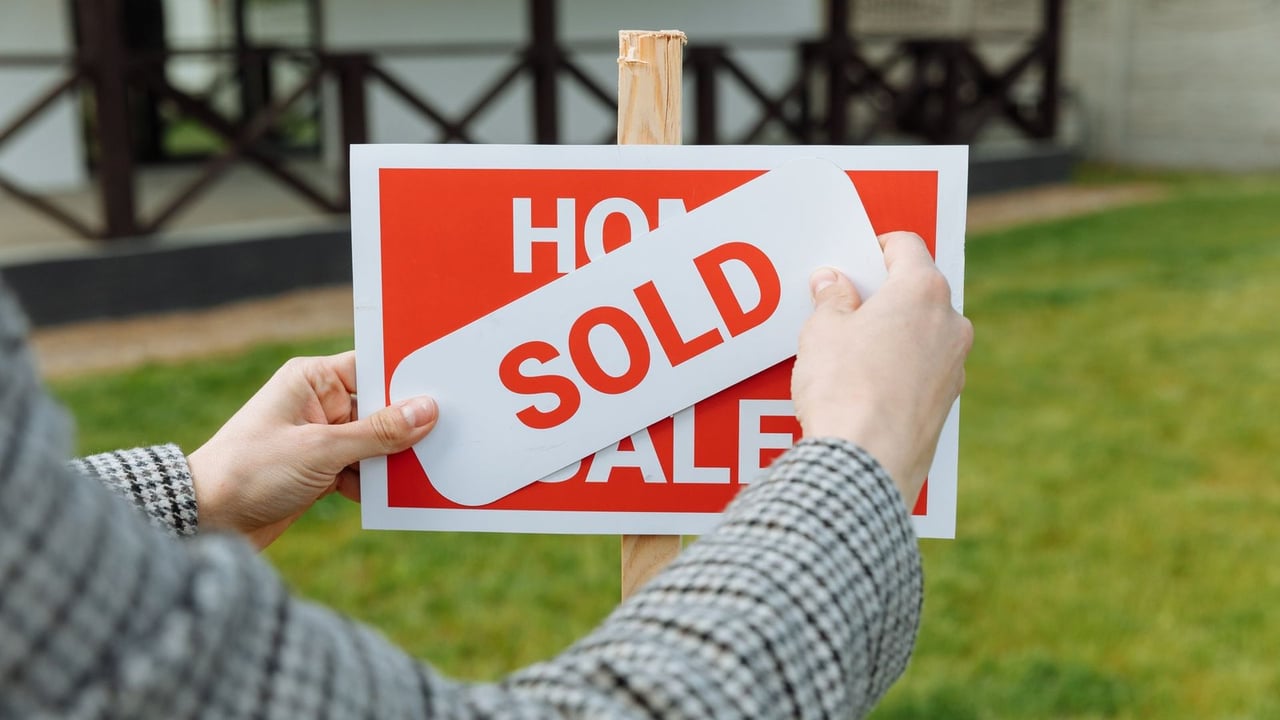
Notes: Builder warranty details are from the Federal Trade Commission’s consumer guide Warranties for Newly Built Homes: Know Your Options. Builder deposit and lender information is from the CFPB’s Find the right home page, and inspection guidance is from its Schedule a home inspection page. Lot-size data is from NAHB (July 22, 2026), based on the Census Bureau’s Survey of Construction. Housing-age figures are from the U.S. Census Bureau’s American Community Survey 2020–2024 5-year estimates (tables B25034 and B25035). National prices are from the Census Bureau and HUD’s New Residential Sales report for September 2026 and NAR’s September 2026 existing-home sales report. Property tax and homestead details are from the Columbia County Tax Commissioner, and certificate of occupancy information is from Columbia County’s permit requirements page. All sources were checked November 7, 2026. Warranties, incentives, prices, HOA rules, tax rules and school zones vary and change, so confirm details with the builder, your lender, the HOA and the county. This is general information, not legal, tax or financial advice. Hero photo: D Goug, Pexels, cropped; a generic stock photo, not a Columbia County home or a Fairey Team listing. Information deemed reliable but not guaranteed. Equal Housing Opportunity.