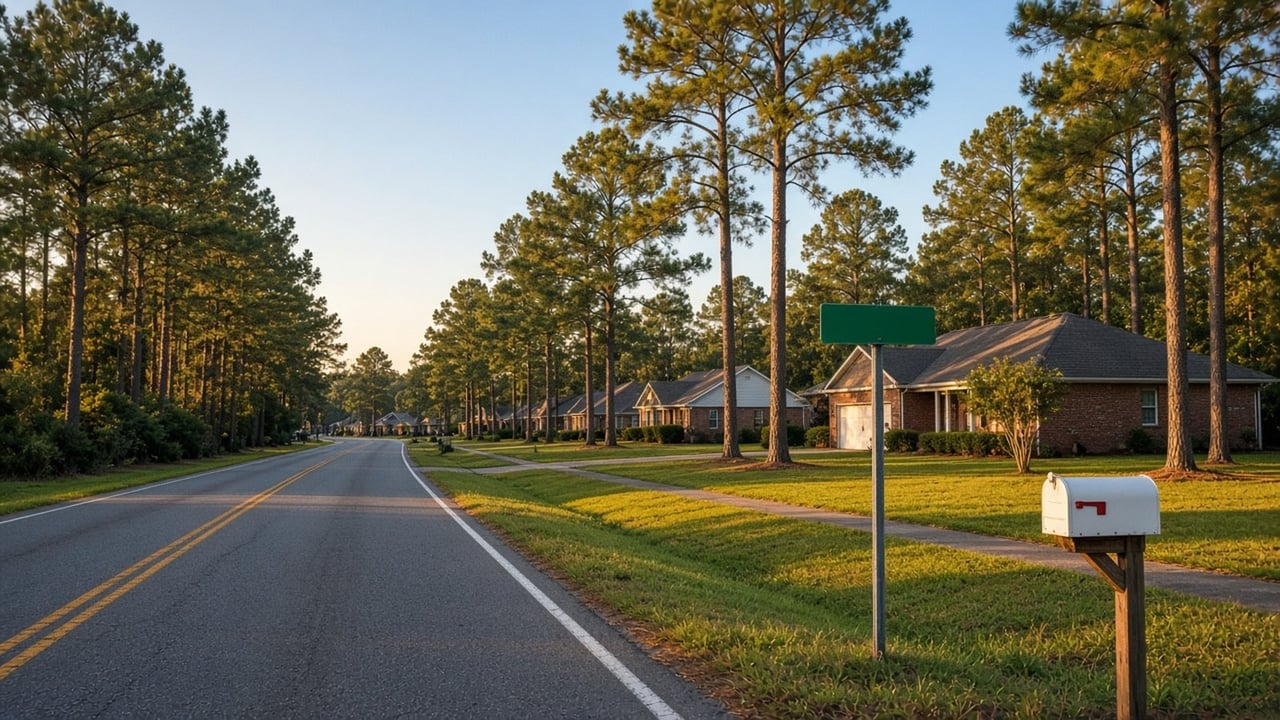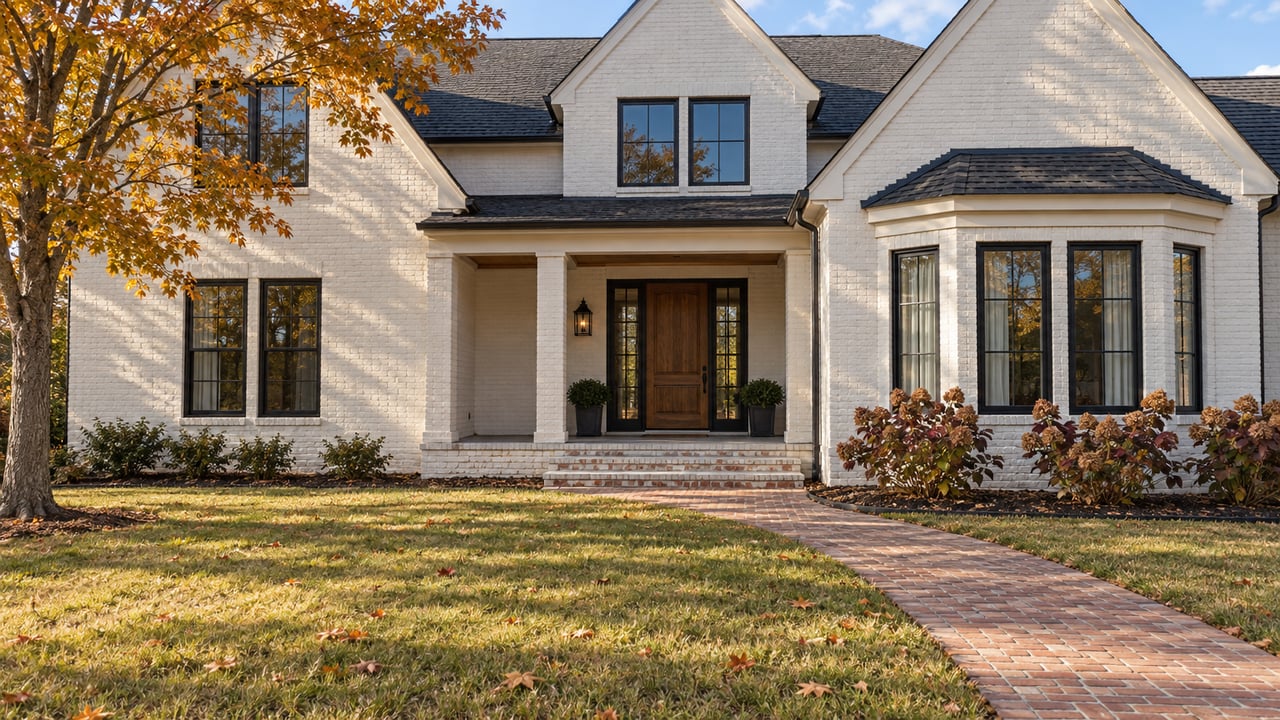
A lender will tell you the most you can borrow. But the better question is this: what monthly payment feels comfortable for your family? Your payment includes the loan, property taxes, insurance and any HOA dues. Talk to a local lender first. Then we’ll shop in a range that keeps you comfortable.
Here’s how it usually starts. It’s late. The kids are asleep. You’re scrolling listings in Evans and Grovetown, and you find one that feels like home. Then the question hits you: Can we actually afford this?
You’re the hero of this story. You want a home that fits your life, not one that eats it. The Fairey Team is here as your guide. We help buyers across Evans and Columbia County every week, and we’ve watched plenty of families learn the hard way that being approved for a number and being comfortable at that number are two different things. Let’s make sure you land on the comfortable side.
Watch our short FAQ answer, then use the plan below:
Watch on YouTube: How Much House Can I Afford? (Columbia County, GA) · More quick answers on our FAQ page.
Want the whole household budget (utilities, groceries, insurance and more)? Our Cost of Living in Evans and Columbia County guide covers it. This post zooms in on one number: the monthly payment that lets you sleep at night.
Why Isn’t “Approved” the Same as “Affordable”?
A preapproval tells you the ceiling. It’s the most a lender is willing to lend based on your income, debts, credit and savings.
But a lender doesn’t see your whole life. It doesn’t see the daycare bill, the travel ball season, the church giving, the savings goal or the truck that’s going to need tires. You do.
So we flip the question. Instead of “How much will they lend me?” ask “What payment can we carry and still live our life?” Start there. Then work backward to a price.
What Goes Into Your Monthly Payment?
Most people think of the mortgage as just the loan. It isn’t. Your real monthly payment usually has four or five parts:
- Principal and interest on the loan.
- Property taxes. Georgia taxes homes on 40% of their value. For 2026, Columbia County’s rates are 4.491 mills for the county, 2.788 mills for fire and 14.997 mills for schools. A mill is $1 for every $1,000 of taxable value. Homes inside Grovetown or Harlem city limits add a city tax.
- Homeowners insurance. Usually a few thousand dollars a year, depending on the home’s age, roof and coverage.
- HOA dues, if the neighborhood has them. They range from a couple hundred dollars a year to more in amenity communities.
- Mortgage insurance, on most loans with less than 20% down (conventional PMI or FHA mortgage insurance). VA loans don’t charge monthly mortgage insurance.
One local bright spot: if the home is your primary residence, file for the homestead exemption with the Columbia County Tax Commissioner by April 1. Voters approved two new local exemptions that start in 2026: $8,000 off assessed value for county taxes and $8,000 for school taxes, on top of the standard $2,000. Confirm exactly what shows on your bill with the Tax Commissioner.
What Does a Columbia County Payment Look Like Right Now?
Numbers make this real. Here’s one example. It’s only an example, and your numbers will be different.
Example assumptions:
- Price: $350,000. That’s close to Columbia County’s median sold price of $349,950 in September 2026 (Fairey Team Columbia County Report, September 2026).
- Down payment: 20% ($70,000), so the loan is $280,000.
- Rate: 7.40% on a 30-year fixed loan. That was Freddie Mac’s national average for the week of October 15, 2026. Your rate depends on your credit, loan type and the day you lock.
- Taxes: outside city limits, with the 2026 homestead exemptions.
- Insurance: assumed $200 a month ($2,400 a year). Get a real quote.
- HOA: assumed $25 a month ($300 a year).
The math:
- Principal and interest: about $1,939 a month.
- Property taxes: about $243 a month. Assessed value is 40% of $350,000, or $140,000. County: $130,000 taxable × 4.491 mills = about $584. School: $130,000 × 14.997 mills = about $1,950. Fire: $138,000 × 2.788 mills = about $385. Total: about $2,918 a year.
- Insurance: $200 a month.
- HOA: $25 a month.
- Estimated total: about $2,407 a month.
To keep that payment at 28% of gross income, a household would need to earn about $103,000 a year.
Now compare that to the county. Columbia County’s median household income is $95,592 (U.S. Census Bureau, 2020–2024 American Community Survey, in 2024 dollars). At 28%, that’s about $2,230 a month. So even with $70,000 down, a median-income household would be stretching for a median-priced home at today’s rates.
That’s not bad news. It’s useful news. It tells you why picking your comfortable payment first matters so much.
Two more things to know. First, rates move the needle. On this $280,000 loan, a rate one point lower (6.40%) would cut principal and interest by about $187 a month. Second, putting down less than 20% usually adds mortgage insurance and a bigger loan, so the payment goes up. Your lender can run your exact numbers.
What Is the 28/36 Rule, and What Do Lenders Allow?
The 28/36 rule is a simple starting point:
- 28%: keep your total housing payment at or below about 28% of your gross monthly income. The Consumer Financial Protection Bureau calls this a lending rule of thumb.
- 36%: keep all of your monthly debt payments, including the new house payment, at or below about 36%. The CFPB suggests 36% or less and notes some lenders will go to 43% or higher.
Lenders often approve more than that:
- Conventional (Fannie Mae): up to 36% total debt on manually underwritten loans, up to 45% with strong credit and reserves, and up to 50% through Fannie Mae’s automated underwriting system.
- FHA: standard manual-underwriting ratios are 31% for housing and 43% total. Higher ratios are possible with compensating factors or automated approval.
- VA: a 41% guideline, paired with a residual income test.
Here’s the guide’s advice: the maximum is not the target. Plenty of families qualify at 45% or more and then feel squeezed every single month. Pick a number that leaves room to breathe.
Does a VA Loan Change the Answer?
For a lot of our Fort Gordon families, yes. According to the VA, eligible buyers can purchase with no down payment as long as the price isn’t higher than the appraised value, and there’s no monthly mortgage insurance. A one-time VA funding fee may apply.
VA lenders also look at residual income, the money left over each month after your housing payment and debts. We love that idea, because it’s really just the comfort question in lender language.
One honest note: $0 down means a bigger loan, so the monthly payment is higher than it would be with a down payment. Run both ways. If you’re PCSing, also weigh how long you’ll be here. Our guides on VA loans and 2026 BAH at Fort Gordon, what a Highland Lakes BAH actually buys, and whether to rent or buy when you PCS walk through it. Start at our military relocation page.
What If the Down Payment Is Your Hurdle?
Good news: not everyone has to put 20% down.
- FHA loans: at least 3.5% down with a credit score of 580 or higher.
- Conventional: some programs, like Fannie Mae HomeReady, allow as little as 3% down.
- VA loans: $0 down for eligible buyers.
- Georgia Dream: as of July 8, 2026, Georgia’s Department of Community Affairs offers eligible buyers 5% of the price up to $10,000, or 6% up to $12,500 for protectors, educators, healthcare workers, active military and households with a family member with a disability. It’s mostly for first-time buyers and has income and price limits. Ask a participating lender.
A smaller down payment can get you in the door sooner. Just remember it usually means a bigger loan and mortgage insurance, so check the monthly payment, not just the cash to close.
What Happens If You Stretch Too Far?
This is the part nobody puts on the listing flyer.
When the payment is too tight, the house starts running your life. Every surprise turns into a crisis. The HVAC quits in August. The insurance renewal comes in higher. The tax bill changes after a reassessment. And homes need care: a good rule is to budget about 1% to 2% of the home’s value each year for maintenance.
Stretch too far and you’re “house poor.” Nice kitchen. No margin. Saying no to the beach trip, the braces and the emergency fund.
That’s not the story you want. You want a home that gives you peace, not pressure.
Your 3-Step Plan to Find Your Number
- Talk to a local lender and get preapproved. This tells you your ceiling and what loan types fit you. It also makes your offer stronger when you find the right home.
- Pick your comfortable payment. Look at your take-home pay, your other debts and your savings goals. Choose a total monthly payment (taxes, insurance and HOA included) that still leaves room for life. The CFPB’s free Your Home Loan Toolkit walks you through it.
- Shop in that range with a local guide. We’ll match your number to the right neighborhoods and price bands, then estimate taxes, HOA and insurance for each home before you fall in love.
Where your number goes depends a lot on the town. In September 2026, average sold prices were about $307,669 in Martinez, $320,029 in Harlem, $337,835 in Grovetown and $527,326 in Evans (Fairey Team September 2026 report). Compare communities in our neighborhoods guide and our Evans vs. Martinez vs. Grovetown breakdown.
Wondering if rates will drop first? Our post on why mortgage rates are rising explains what’s driving them. And when you’re ready to write an offer, our earnest money guide covers the next cash step.
What Does Success Look Like?
Picture it. You close on a home in Evans and Columbia County. The first payment comes out, and you don’t flinch. You still fund the savings account. You still say yes to Friday pizza and the summer trip. When something breaks, you fix it and move on.
That’s the goal. Not the most house you can get. The right house at a payment that lets your family thrive.
Ready to Find Your Comfortable Number?
The Fairey Team helps buyers across Evans, Martinez, Grovetown, Harlem, Appling and all of Columbia County. We can point you to local lenders for preapproval, then help you shop in a range that keeps you comfortable. Call (706) 480-5203, email [email protected], or stop by 2580 Evans Trade Center, Evans, GA 30809.
Selling a home first? Start with a free home valuation so you know what you’ll bring to the next one. Moving here on orders? Visit our military relocation page. Explore neighborhoods, or watch more short answers on our FAQ page.
— Caleb Fairey, Realtor, the Fairey Team (GA license 451103)
FAQ: How Much House Can You Afford in Evans and Columbia County?
How much house can I afford?
A lender will tell you the most you can borrow, but the better question is what monthly payment feels comfortable. Your payment includes the loan, property taxes, insurance and any HOA dues. Talk to a local lender first, then shop in a price range that keeps you comfortable.
What is the 28/36 rule?
It’s a rule of thumb, not a law. Keep your total monthly housing payment (principal, interest, taxes, insurance and HOA) at or below about 28% of your gross monthly income, and all of your monthly debt payments, including that housing payment, at or below about 36%. The CFPB calls 28% a lending rule of thumb and notes lenders may approve you for more or less.
How much house can I afford on a $100,000 salary?
Using the 28% guideline, $100,000 a year is about $8,333 a month, so about $2,333 for your total housing payment. In our Columbia County example (20% down, a 7.40% 30-year fixed rate, homestead exemption outside city limits, about $200 a month for insurance and $25 for HOA), that payment lines up with a home around $335,000 to $340,000. Smaller down payments, other debts or a different rate change the answer, so get preapproved.
What counts in my debt-to-income ratio?
Your debt-to-income ratio (DTI) is all of your monthly debt payments divided by your gross monthly income. That includes the new house payment plus things like car loans, student loans, minimum credit card payments, and child support or alimony. Everyday bills like groceries and utilities are not part of DTI, but they still have to fit your budget.
What DTI do mortgage lenders allow?
It depends on the loan. Fannie Mae allows up to 36% for manually underwritten loans (up to 45% with strong credit and reserves) and up to 50% through its automated system. FHA’s standard manual-underwriting ratios are 31% for housing and 43% total. VA uses 41% as its guideline along with a residual income test. Being approved at the maximum doesn’t mean the payment will feel comfortable.
Does a VA loan change how much house I can afford?
It can help. VA loans allow no down payment when the price isn’t higher than the appraised value, and they don’t require monthly mortgage insurance. A one-time VA funding fee may apply. VA lenders also check residual income, the money left each month after housing and debts, which is a healthy way to think about comfort. A $0-down loan is bigger, so the monthly payment is higher than with a down payment.
Do I need 20% down to buy a home?
No. FHA loans require at least 3.5% down with a credit score of 580 or higher, some conventional programs like Fannie Mae HomeReady allow as little as 3% down, and VA loans can be $0 down. With less than 20% down on a conventional loan you’ll usually pay private mortgage insurance, which raises the payment. Georgia Dream may also help eligible buyers with down payment assistance.
How much are property taxes on a home in Columbia County?
Georgia taxes homes on 40% of their value. The 2026 rates are 4.491 mills for the county, 2.788 for fire and 14.997 for schools. As a rough example, a $350,000 home with the homestead exemption outside city limits pays somewhere around $2,500 to $3,000 a year. Grovetown and Harlem add a city tax. Confirm your bill with the Columbia County Tax Commissioner.
Example and data notes: The payment example is an illustration only, not a loan offer, rate quote or guarantee of approval. It uses Freddie Mac’s Primary Mortgage Market Survey 30-year fixed average of 7.40% for the week of October 15, 2026; Columbia County 2026 millage rates (county 4.491, fire 2.788, school 14.997) adopted August 2026; Georgia’s 40% assessment ratio; the $2,000 standard homestead exemption and the $8,000 county and $8,000 school local homestead exemptions effective 2026; and assumed insurance ($200/month) and HOA ($25/month). Market figures are from the Fairey Team Columbia County Report, September 2026 (Flexmls/Hive MLS, pulled September 30, 2026). Median household income is from U.S. Census Bureau QuickFacts (ACS 2020–2024). DTI guidelines are from the CFPB, Fannie Mae Selling Guide B3-6-02, HUD Handbook 4000.1 and VA regulation 38 CFR 36.4340. Georgia Dream amounts are from Georgia DCA, effective July 8, 2026. Talk to a licensed mortgage lender for preapproval and exact numbers, and confirm taxes with the Columbia County Tax Commissioner. The Fairey Team does not make loans. Information deemed reliable but not guaranteed. Equal Housing Opportunity.
Disclosure. This post is general information only, not legal, tax or financial advice. Laws, programs, rates and figures change, so verify the details with the appropriate licensed professional before you act. Loan rates, limits and program rules change often, and the Fairey Team is happy to connect you with trusted local lenders for the most up-to-date information. Fairey Team is a real estate team with eXp Realty, licensed in Georgia, and does not provide legal, tax or lending services. Equal Housing Opportunity.