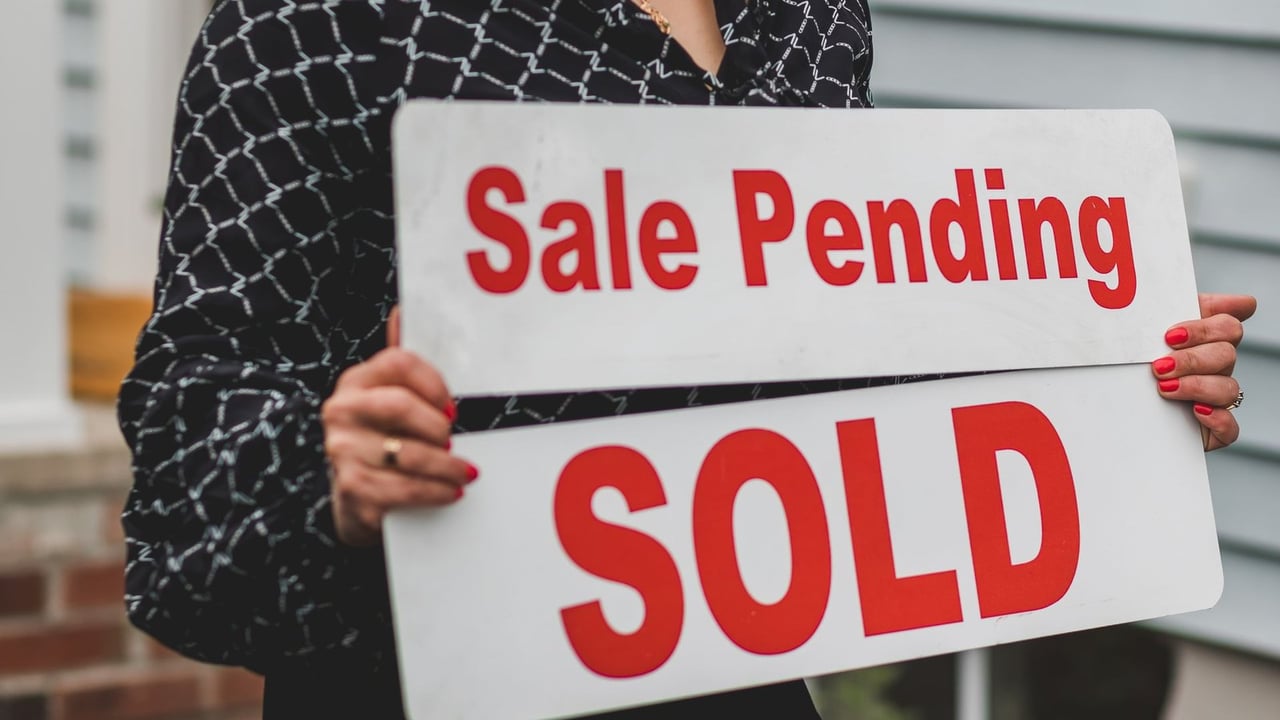
You can sell your house without a realtor in Georgia. No law requires you to hire a real estate agent. To do it well, you'll need to price the home from recent sales, get it ready, market it, decide whether you'll pay a buyer's agent, use a sound purchase contract, and close with a Georgia closing attorney. Georgia's Supreme Court has held that only a licensed Georgia attorney may close a real estate sale or prepare a deed for someone else, so every for-sale-by-owner (FSBO) seller in Evans and Columbia County should plan on one.
That's the short answer. Here's the full road map, step by step, so you know what's coming before the first buyer calls.
Maybe you're thinking, "How hard can it be?" You'd like to keep more of your equity, and you'd like to stay in control. That's a fair goal.
Here's the problem. Selling a house isn't one job. It's a dozen small jobs, each with a deadline. Pricing. Photos. Showings. Phone calls. A contract. Inspections. An appraisal. A closing. Miss one, and the deal can wobble.
You're the hero of this story. Our job is to be the guide. The Fairey Team, with eXp Realty, is based in Evans. We sell homes across Columbia County and the CSRA, and we track the local numbers every month. We wrote this guide to help you succeed on your own, and to be honest about where a pro can help.
Can You Legally Sell a House Without a Realtor in Georgia?
Yes. Owners sell their own homes in Georgia every year. You don't need a real estate license to sell property you own.
What you can't skip is the closing attorney. In a 2003 ruling, In re UPL Advisory Opinion 2003-2, the Supreme Court of Georgia said it's the unauthorized practice of law for anyone other than a licensed Georgia attorney to close a real estate transaction or to prepare or facilitate a deed for a seller, borrower or lender. That's why Georgia is known as an attorney-closing state. Our guide to whether you need an attorney to sell your house in Georgia explains who that attorney works for and when to hire your own.
You're also not alone. In the National Association of REALTORS® (NAR) 2025 Profile of Home Buyers and Sellers, 5% of recent sales were FSBO sales. That's a record low, but it's still a lot of people nationwide.
Step 1: Price It From Recent Sales, Not Hopes
Price is the biggest decision you'll make. Price it right, and buyers show up in the first few weeks. Price it high, and the house sits.
Start with homes like yours that sold recently, close by. Look at size, age, condition, lot and school zone. Online estimates are a starting point, not an answer. You can also order a pre-listing appraisal.
Know the market you're selling into. In October 2026, 181 homes sold in Columbia County at a median price of $334,000. The median sold home spent 44 days on the market, and there were 840 active listings. Buyers have more choices than they did a few years ago. In October, Columbia County sellers got a median of 100% of their final asking price, but an average of only 96.5% of their original one. Starting high usually costs you.
Our free home valuation tool and our guide on what your home is worth in Evans and Columbia County can help you price it.
Step 2: Get the House Ready
Buyers compare your home to every other listing in their price range. Fix what's broken. Clean everything. Cut the clutter. Then take great photos in good light.
Our guide on what to fix, update or stage before selling shows where small money pays off. If you're selling soon, read our winter selling guide too.
Step 3: Gather Your Paperwork Early
Pull your paperwork together before you list. You'll want a copy of your deed, your mortgage payoff information, your latest property tax bill, HOA documents, any survey, and records of repairs and upgrades.
Two disclosures matter most. Georgia law doesn't require a seller disclosure form, but Georgia courts can hold sellers liable for hiding known problems a buyer couldn't reasonably find. A written disclosure protects you. And if your home was built before 1978, federal law requires a lead-based paint disclosure.
Our FSBO paperwork checklist for Georgia covers every document, from the first showing to the recorded deed.
Step 4: Line Up a Closing Attorney Before You List
Don't wait for a contract to call an attorney. Ask a local closing attorney what they charge, what they need from you and how they handle earnest money. Many sellers ask the closing attorney to hold the earnest money in escrow.
Here's a detail many FSBO sellers miss. The Georgia Association of REALTORS® (GAR) contract forms are copyrighted. GAR licenses them only to its members and other approved real estate licensees, for use in deals where they're involved as a licensee. So as an owner selling alone, plan on using a purchase contract prepared or reviewed by a Georgia attorney.
Step 5: Market It Where Buyers Look
Most buyers start online. A yard sign helps, but it won't reach the family relocating to Fort Gordon from another state.
Your options include FSBO websites, social media, a yard sign, open houses and a flat-fee MLS listing placed through a licensed broker. The MLS is where agents and many home search sites pull listings from. NAR's 2025 data found that 40% of FSBO sellers didn't actively market their homes. Don't be one of them.
A few rules apply to you, too. Federal fair housing law covers what you say in ads. Describe the home, not the kind of buyer you want. And stay safe at showings. Ask for a name and phone number before anyone comes over, and don't show the home alone.
Step 6: Decide How You'll Handle Buyer's Agents
Most buyers use an agent. In NAR's 2025 Profile, 88% of buyers bought through a real estate agent or broker. So expect agents to call.
Since August 17, 2024, agents who use an MLS must have a written agreement with their buyer before touring a home. That agreement spells out what the buyer's agent will be paid. Offers of buyer's agent compensation can't be posted on the MLS, but sellers can still offer them off the MLS. Sellers can also offer buyer concessions, like help with closing costs. Everything is negotiable.
Decide your policy before the first call. Will you pay a buyer's agent? How much? Or will you consider it offer by offer? Put any agreement in writing.
Step 7: Negotiate the Contract
When an offer comes in, look past the price. Check the earnest money, the due diligence period, the financing and appraisal terms, any closing cost help, and the closing date. A higher price with a shaky loan can be worth less than a cleaner offer.
Ask for proof of funds or a loan pre-approval letter. If the buyer is using a VA loan, which is common near Fort Gordon, know that VA limits seller concessions to 4% of the home's reasonable value.
Step 8: Survive Due Diligence and the Appraisal
After you sign, the buyer will inspect. Many local contracts give buyers a due diligence period, often 7 to 14 days, to inspect and walk away for any reason. Our guide to how Georgia's due diligence period works explains it from the buyer's side.
Expect a repair request. Stay calm. Get a quote, offer a fix or a credit, and keep the deal moving. If the buyer has a loan, the lender will order an appraisal. If it comes in low, you'll need to renegotiate.
Step 9: Close With the Attorney
The closing attorney runs the title search, gets your mortgage payoff, prepares the deed and the settlement statement, and records the deed. In Columbia County, deeds are recorded by the Clerk of Superior Court at the Evans Justice Center, and the fee is $25 per document.
Georgia's transfer tax is $1 per $1,000 of the price, or $349 on a $349,000 sale, and a PT-61 form is filed with the deed. By law the seller is liable for it, but the contract can shift it to the buyer. The standard Georgia Association of REALTORS® contract has the buyer pay the transfer tax and the cost of preparing the deed, while the seller pays to clear title and handle payoffs. In a FSBO sale, your contract decides, so spell it out. Property taxes are usually split by date, and Columbia County bills are due November 15. If you live out of state when you sell, ask the attorney early about Georgia's 3% nonresident withholding rule. A sale of your principal residence is exempt.
Want to see your full costs? Our guide on how long it takes to sell, what it costs and what you'll net breaks down every line.
Your Simple FSBO Plan
- Price it from recent nearby sales.
- Prep it and shoot great photos.
- Gather your paperwork and line up a closing attorney.
- Market it online, on the MLS if you can, and with a sign.
- Negotiate and close with clear terms and firm deadlines.
What's at Stake
The biggest risk isn't the work. It's the hidden cost. Price it wrong, and you can give away more than you saved. Miss a disclosure, and you could face a claim after closing. Let a deadline slip, and a buyer can walk.
Be honest with yourself about the numbers. NAR's 2025 data shows a median FSBO sale price of $360,000, compared with $425,000 for agent-assisted sales. NAR notes FSBO homes are more often lower-cost homes or in rural areas, so that gap isn't all about the agent. But it's a reason to price carefully.
Picture This
It's closing day. You sign at the attorney's table. The deed records the same week. You walk out with the net you planned for, and you know exactly where every dollar went. No surprises. No regrets. That's the goal.
Frequently Asked Questions
Can I sell my house myself in Georgia?
Yes. Georgia doesn't require a real estate agent. You can price, market and negotiate the sale yourself. You will need a Georgia attorney to close the sale and prepare the deed.
Do I need a lawyer to sell my house without a realtor in Georgia?
Plan on one. The Supreme Court of Georgia has held that only a licensed Georgia attorney may close a real estate sale or prepare a deed for someone else. Many FSBO sellers also have an attorney draft or review the contract.
How do I sell my house by owner in Georgia?
Price it from recent sales, prepare the home, gather your paperwork, line up a closing attorney, market it online and with a sign, negotiate the contract, get through inspections and the appraisal, then close with the attorney.
Can I use Georgia Association of REALTORS® forms if I sell by owner?
Generally, no. GAR's license limits its forms to its members and other approved real estate licensees, for deals in which they act as a licensee. Ask a Georgia attorney to prepare or review your contract.
Do I have to pay the buyer's agent if I sell FSBO?
No law requires it. But many buyers have a written agreement with their agent that sets the agent's pay, and they may ask you to cover some or all of it. It's negotiable. Decide your policy before you list.
What does a seller pay at closing in Georgia?
Common seller costs include your mortgage payoff, costs to clear title, your share of property taxes, your own attorney's fees and any repairs or closing help you agreed to. Who pays the transfer tax ($1 per $1,000) and deed preparation depends on your contract.
How long does it take to sell a house by owner?
It depends on price, condition and marketing. In October 2026, the median Columbia County home that sold spent 44 days on the market, per Hive MLS. Then plan on about 30 to 45 days to close when the buyer has a mortgage.
Keep Reading
- FSBO Paperwork in Georgia: The Documents You'll Need
- Do I Need an Attorney to Sell My House in Georgia?
- Is Selling By Owner Worth It in Evans and Columbia County?
- Columbia County Housing Market, October 2026
- Buying and Selling a Home at the Same Time
Moving with the military? See our military relocation page and our guide to selling or renting your home at PCS time. Not sure where you're headed next? Explore Columbia County neighborhoods.
Want a second set of eyes on your price or your plan? Call or text us at (706) 480-5203 or email [email protected]. No pressure. Just honest answers.
Notes: The attorney-closing rule is from the Supreme Court of Georgia's decision in In re UPL Advisory Opinion 2003-2, 277 Ga. 472 (2003). FSBO and buyer statistics are from NAR's 2025 Profile of Home Buyers and Sellers and NAR's Nov. 11, 2025 summary. Buyer agreement and compensation rules are from NAR's settlement facts page. GAR form licensing is from the GAR Forms License Agreement. Disclosure rules are summarized from Nolo and the EPA. Transfer tax is from the Georgia Department of Revenue, and the standard cost split is from the 2026 GAR Purchase and Sale Agreement (F201); recording fees from the Columbia County Clerk of Superior Court; the tax due date from the Columbia County Tax Commissioner; nonresident withholding from O.C.G.A. § 48-7-128. Market data is Hive MLS (Flexmls Market Summary), Residential, pulled Nov. 2, 2026, from our October 2026 market report; data deemed reliable but not guaranteed. VA's 4% concession limit is from our costs and net guide. Sources checked Nov. 10, 2026.
This post is general information, not legal, tax or financial advice. Laws and forms change. Talk with a Georgia real estate attorney about your sale.
Photo: "Man in Black Long Sleeves Holding a Signage" by Thirdman, via Pexels (Pexels License). Cropped and resized. Illustrative stock photo, not a Fairey Team client.
Get the free FSBO Playbook
Selling on your own? Get the same checklists our team uses: pricing and your net sheet, getting the home ready, a before-you-go-live checklist, Georgia vs. South Carolina seller rules, and the 10 mistakes that cost sellers money. It's free.